Understanding the Versatility of IBC Tanks
Intermediate Bulk Containers, commonly known as “ibc tank” in Korean, are revolutionizing the way industries store and transport liquids and granular substances. These robust containers are a staple in various sectors, offering flexibility, durability, and cost-effectiveness.
In this article, we will explore the various applications of “ibc tank”, their advantages, and how they can be a game-changer for businesses looking to optimize their logistics and storage solutions.
What Makes IBC Tanks Unique?
IBC tanks are designed to provide maximum efficiency in the storage and transportation of materials. Their cube-shaped design allows for efficient use of space, whether in a warehouse or during transport. Typically made from high-density polyethylene (HDPE) and reinforced with a metal cage, these containers are built to withstand harsh conditions.
Some key features that set “ibc tank” apart include:
- Durability: Constructed from high-quality materials, they are resistant to chemicals and physical impacts.
- Versatility: Suitable for a wide range of liquids and solids, including chemicals, foodstuffs, and pharmaceuticals.
- Reusability: Designed for multiple uses, reducing waste and promoting sustainability.
Applications Across Industries
The versatility of “ibc tank” makes them ideal for a variety of industries. Let’s look at some of the common applications:
| Industry | Application |
|---|---|
| Chemicals | Safe storage and transport of corrosive and hazardous chemicals. |
| Food and Beverage | Storage of liquid ingredients like oils, syrups, and flavorings. |
| Pharmaceuticals | Transporting bulk quantities of liquid medicines and supplements. |
Benefits of Using IBC Tanks
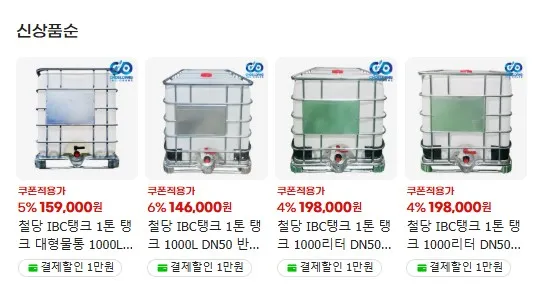
Businesses that choose “ibc tank” solutions enjoy several benefits:
Firstly, they provide an economical choice due to their large storage capacity and reusability. Secondly, their design facilitates easy stacking and efficient space use, reducing storage costs. Lastly, their robust construction ensures the safe handling of hazardous materials, thus minimizing risk and liability.
“Efficiency is doing better what is already being done.” — Peter Drucker
Considerations for Choosing the Right IBC Tank
When selecting an “ibc tank” for your business needs, consider the following:
- Material Compatibility: Ensure the tank material is compatible with the substances you plan to store.
- Size: Choose a size that meets your storage and transportation requirements without excessive surplus.
- Regulatory Compliance: Make sure the tank adheres to industry regulations and standards.
By carefully evaluating these factors, you can optimize your investment in “ibc tank” solutions, ensuring they align with your business goals and operational requirements.
In conclusion, “ibc tank” offers a reliable and efficient solution for businesses across various industries. By understanding their advantages and applications, companies can make informed decisions that enhance their operational efficiency and sustainability.
Ready to explore how “ibc tank” can benefit your business? Consider assessing your current storage and transportation needs to determine the most suitable solution for you.